
Last year, at the Baker Institute, we were asked to calculate how much property tax revenue was being lost through transactions involving Public Facility Corporations (PFCs) and Housing Finance Corporations (HFCs). You have probably never heard of these transactions, but a number of years ago, the Texas Legislature created property tax exemptions for apartment owners and developers who set aside a certain number of units in their projects for lower-income Texans.
We were shocked by what we found the cost of these transactions to be. (You can read the Houston Chronicle story on our research here.)
In2025 alone, taxing entities in Harris County lost $120 million in property taxes. We further estimated that these government entities will lose over $2 billion in property taxes over the next decade. These exemptions have impacted the budgets of nearly 100 local entities, including the county, cities, school districts, community colleges, MUDs, emergency service districts, and management districts. There isn't anyone in Harris County who will not be affected by this massive grant of tax exemptions, as the cost will be passed onto all other taxpayers to cover the difference.
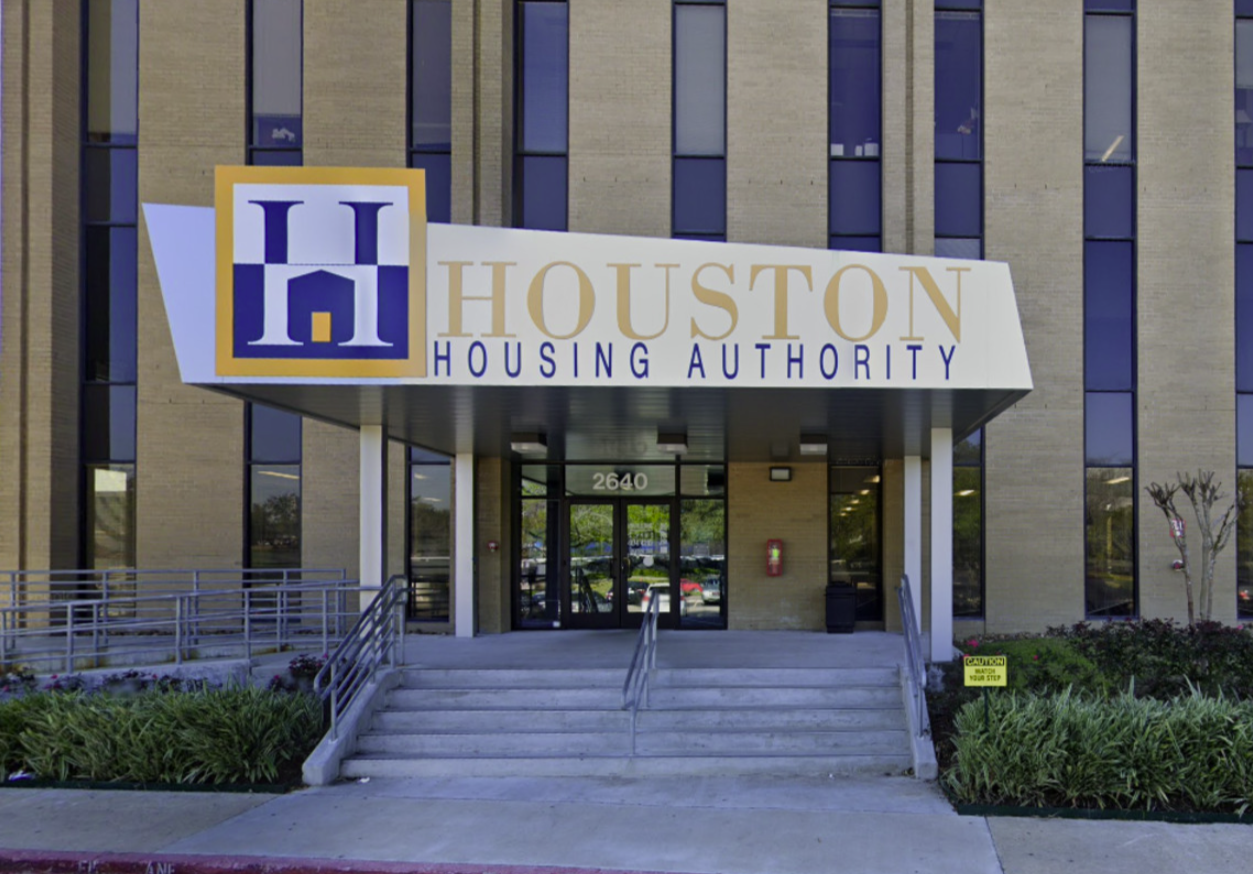
Although these laws have been on the books for some time, they were sparingly used until Sylvester Turner’s second term. Shortly after his re-election, there was an explosion in the use of these transactions by the Houston Housing Authority (HHA) (BTW, the mayor of Houston appoints the members of the HHA board). In less than five years, HHA granted billions of dollars in complete property tax exemptions to over 150 apartment owners. Ultimately, other housing authorities joined in the game (more to come on that), but HHA has accounted for over 70% of the transactions in Harris County.

To make matters worse, it is not at all clear that these transactions have resulted in much in terms of more affordable rentals. A Houston Chronicle analysis found that the transactions mostly benefited the apartment owners and a cottage industry of firms that facilitated the deals. We are doing additional research on the transaction costs associated with these transactions. Your jaw will drop when you see the amounts.
The one piece of good news in this otherwise nauseating saga is that Mayor Whitmire appointed a new HHA board that has replaced the management there. Since then, the number of new transactions has dramatically declined, and dozens of pending deals have been canceled. Also, I want to let you know that the new management fully cooperated with our research. Without their cooperation, we would not have been able to get to the bottom of this.
In 2023, Senator Paul Bettencourt and State Representative Gary Gates pushed through some reforms to these transactions, but there is still more work to be done. Some favor further reforms, but in my view, they have already caused enough damage. The provisions establishing these transactions should be repealed, and strict monitoring and enforcement should be implemented for properties that received exemptions. If they fail to comply with the letter of their agreements, the exemptions should be revoked.


